Dr. Sarah Chen
Why MetaMask Is Quantum-Vulnerable
MetaMask, like every major Ethereum wallet, generates keys using the secp256k1 elliptic curve and signs transactions with ECDSA (Elliptic Curve Digital Signature Algorithm). Every time you send a transaction, MetaMask broadcasts your public key to the network. That public key is mathematically linked to your private key via a one-way function that classical computers cannot invert in any practical timeframe.
Quantum computers running Shor's algorithm change that equation. A sufficiently powerful quantum computer could derive your private key from your public key, drain your wallet, and there would be nothing you or MetaMask could do to stop it. The same vulnerability applies to every wallet built on ECDSA or ed25519: Rabby, Rainbow, Coinbase Wallet, Trust Wallet, and all hardware wallets currently shipping. This is not a MetaMask-specific flaw. It is a protocol-level cryptographic issue.
To understand the full scope of the threat, read our overview of how quantum computers attack Bitcoin and Ethereum addresses.
What "Quantum-Safe Wallet" Actually Means
A quantum-safe wallet does one or both of the following:
- Uses a post-quantum signature algorithm such as ML-DSA (CRYSTALS-Dilithium, now standardized by NIST as FIPS 204) instead of ECDSA. The private-to-public key relationship in these schemes is based on lattice problems that Shor's algorithm cannot solve.
- Hides the public key until the moment of spending. Certain Bitcoin address formats (P2WPKH, P2TR with key-path spend never reused) only reveal the public key in the spending transaction itself. An attacker monitoring the blockchain sees only a hash of the public key while funds sit unspent. This does not eliminate quantum risk; it narrows the window of exposure to the mempool period of a single transaction.
True quantum safety requires approach one. Approach two is risk reduction, not elimination. As of mid-2026, the honest answer is that options for approach one are limited on Ethereum mainnet. The EVM does not yet have a native ML-DSA precompile in production. Your practical choices today are:
- QRL Wallet: The Quantum Resistant Ledger uses XMSS signatures, a hash-based scheme with strong post-quantum security. It is a separate blockchain, not Ethereum.
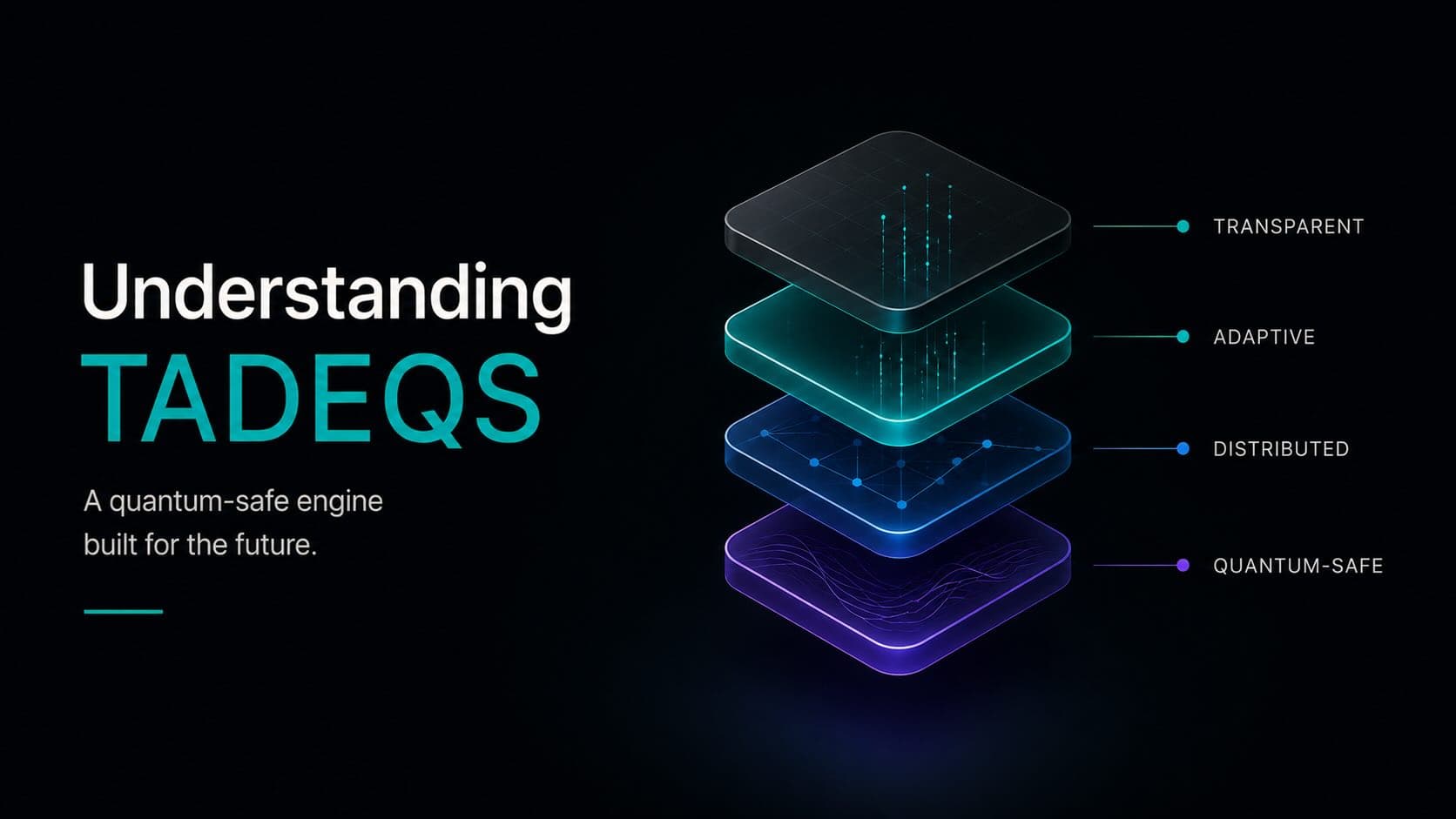
- QuanChain native wallet: QuanChain's network uses ML-DSA natively via its TADEQS architecture. Assets on QuanChain are quantum-safe by default. This does not cover your ETH or ERC-20 tokens unless they are bridged.
- Experimental hardware wallet branches: Some hardware wallet vendors are testing post-quantum firmware, but nothing has shipped for production use as of this writing.
For Ethereum mainnet holdings, you are currently working with risk reduction, not elimination. That is still worth doing.
Step 1: Audit Which Addresses Have Exposed Public Keys
Your public key is exposed the moment you send a transaction from an address. Receiving funds does not expose it. This means:
- Any address you have sent from has an exposed public key and is higher priority to migrate.
- Any address that has only received funds still has a hidden public key (assuming you used a standard P2WPKH or similar hash-locked format, not P2PK).
- Reused addresses are the highest risk category. If you sent from the same address multiple times, the public key has been on-chain for every observer since your first outgoing transaction.
To audit your addresses:
- Open Etherscan (or a block explorer for each chain you use).
- Look up each address in your MetaMask wallet.
- Check the transaction history. Any address with outgoing transactions has an exposed public key.
- Sort your addresses by: (a) value held, (b) whether the public key is exposed. High value plus exposed public key equals highest priority.
- Export this list. You will work through it in order of priority.
For a deeper explanation of why public key exposure is the core risk, see our article on harvest-now-decrypt-later attacks.
Step 2: Create New Addresses in Safer Configurations
For Ethereum, you cannot use a true post-quantum signature scheme on mainnet today. What you can do is generate fresh addresses that have never sent transactions, reducing the exposure window. Use a new derivation path within MetaMask or a separate wallet entirely to ensure the new addresses are clean.
- In MetaMask, click the account icon, then "Add account or hardware wallet," then "Add a new account." This generates a new address under the same seed phrase with a fresh derivation path.
- Verify the new address has zero transaction history on Etherscan before using it.
- If you are moving to a QuanChain-native asset, set up a QuanChain wallet separately. The QuanChain wallet uses ML-DSA and the TADEQS key rotation system, so the quantum risk profile is fundamentally different. Read about how TADEQS works before setting this up.
Step 3: Move Assets in Priority Order
Do not try to migrate everything at once. Work through your priority list methodically:
- Start with your highest-value address that also has an exposed public key. This is your most urgent case.
- Send the full balance to your new address. Pay attention to gas fees; moving dust amounts is not worth the cost or complexity.
- Wait for confirmation (at least 12 blocks on Ethereum for meaningful finality).
- Verify the new address received the funds on a block explorer before moving to the next address.
- Mark the old address as migrated in your audit list.
- Do not close or delete the old MetaMask account. You may need it for historical transaction records or future interactions with protocols that stored your address.
For high-value holdings, consider doing a small test transaction first. Send a small amount, confirm receipt, then send the remainder.
Step 4: Set Up Monitoring
After migration, monitor both your old and new addresses:
- Use a service like Etherscan's address alert feature or a portfolio tracker that supports email or push notifications for incoming transactions. An unexpected transaction to your old address is a signal that someone has your key.
- Set calendar reminders to review your address exposure every six months. The quantum threat timeline is not fixed; new developments may require faster action.
- Subscribe to updates from NIST and the major wallet vendors regarding post-quantum cryptography rollout. The NIST PQC standards are now final; implementation timelines for wallets are the remaining variable.
Important Caveats Before You Start
Moving assets between Ethereum addresses does not change the underlying signature scheme. You are still using ECDSA on Ethereum mainnet. What you are doing is resetting your public key exposure clock by moving to fresh addresses. This reduces risk; it does not eliminate it.
You cannot migrate ETH to a post-quantum chain without a bridge. QuanChain has bridging infrastructure, but bridging introduces its own risks (smart contract risk, bridge security). Evaluate that tradeoff carefully for large holdings.
Do not rush. Migration errors, sending to the wrong address, using the wrong network, or losing access to a seed phrase, are permanent and irreversible. A methodical migration that takes two weeks is better than a rushed one that takes two hours and results in lost funds.
If you hold significant value, consider consulting with a professional custody service before making large moves. See our guide to post-quantum wallet security fundamentals for the full context on what you are protecting against.